




Missing a tooth changes more than your reflection in the mirror. It shifts how you eat, speak, and move through your day with confidence. If you’ve been wondering whether dental implants in Plano, TX could restore what’s been lost, you’re asking the right question. Dr. Kari Blankenship at Dental Renaissance helps patients from Murphy, Allen, Parker, and McKinney determine if implants are a good fit for their needs—and what to expect if they are.
Not everyone qualifies for dental implants, but many people assume they’re not candidates when they actually are. Understanding what makes someone a good fit can help you move forward with clarity instead of guessing.
What Dental Implants in Plano, TX, Actually Do
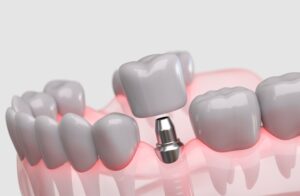
Dental implants replace missing teeth by anchoring directly into your jawbone. A small titanium post acts like an artificial root, and once it fuses with the bone, a custom crown sits on top. The result looks, feels, and functions like the tooth you lost. Unlike dentures that rest on your gums or bridges that rely on neighboring teeth, implants stand on their own. They don’t slip during meals or require adhesives to stay put. Because they integrate with your bone, they also help maintain the structure of your jaw and prevent the sunken appearance that can develop after tooth loss.
Who Makes a Good Candidate?
Deciding if dental implants are right for you starts with a few basic factors. You’ll likely be a strong candidate if you meet these criteria:
- You’re missing one or more teeth. Whether it’s a single gap or multiple spaces, implants can replace individual teeth or support bridges and dentures.
- You have adequate jawbone density. The implant needs enough bone to anchor securely. If your bone has thinned over time, bone grafting might be an option to build it back up.
- Your gums are healthy. Active gum disease can interfere with healing, so getting your gums in good shape first is important.
- You’re committed to oral hygiene. Implants require the same care as natural teeth—regular brushing, flossing, and dental visits keep them functioning well for years.
- You’re in generally good health. Certain conditions, like uncontrolled diabetes or heavy smoking, can slow healing, but that doesn’t automatically disqualify you. Dr. Blankenship will review your full health history during your consultation.
Age isn’t typically a barrier. As long as your jawbone has finished growing (usually by late teens), you could be a candidate, whether you’re in your twenties or your eighties.
When Dental Implants Might Not Be the Best Fit
There are situations where implants may not be ideal, at least not right away. If you have severe bone loss and aren’t a candidate for bone grafting, other restorative options might serve you better. Patients with certain autoimmune disorders or those undergoing treatments that affect bone healing may need to explore alternatives. Heavy tobacco use can also complicate the healing process, though quitting or cutting back can improve your chances. If cost is a concern, understanding your budget and exploring membership plans can help you weigh your options realistically.
How to Know for Sure
The only way to know if dental implants in Plano, TX, are right for you is through a consultation. Dr. Blankenship will take a close look at your mouth, review digital scans, and talk through your health history and goals. She’ll explain what’s possible, what might need to happen first (like treating gum disease or building up bone), and what results you can expect. This isn’t about pushing treatment—it’s about giving you the full picture so you can decide what feels right.
Patients from Plano, McKinney, Murphy, Parker, and Allen appreciate the straightforward approach. You’ll leave with answers, not more confusion.
What Happens Next?
If you decide to move forward, the process unfolds in stages. First, the titanium post is placed into your jawbone during a minor surgical procedure. Most patients handle this comfortably with local anesthesia. Over the next few months, the implant fuses with your bone in a process called osseointegration. Once that’s complete, you’ll return for the final crown, which is custom-made to blend seamlessly with your smile. For patients needing multiple teeth replaced, options like All-on-4 implant-supported dentures or implant-supported bridges can restore a full arch efficiently.
The timeline varies, but you’ll know what to expect at every turn. No guessing, no surprises.
Take the Next Step
Wondering if dental implants work for you doesn’t have to stay a question. Schedule a consultation with Dr. Kari Blankenship at Dental Renaissance and get the clarity you need. Whether you’re in Plano, Murphy, Allen, Parker, or McKinney, you’ll find a team that listens first and plans with your goals in mind.
Meet the team, book your appointment online, or reach out with questions. You can also explore more about dental implants, take a look at our office tour page, or find us on the map. Your next smile starts with one conversation.